
Gallstones and gallbladder diseases are common, but thankfully, medical advancements have made treatment safer, quicker, and less painful. Enter laparoscopic cholecystectomy, the modern marvel in gallbladder removal surgery. Let us break down this procedure into simple terms, helping you understand what it entails and why it is considered a game-changer in gallbladder treatment.
What is Laparoscopic Cholecystectomy?
- Laparoscopic cholecystectomy is a minimally invasive surgery used to remove the gallbladder.
- Unlike traditional open surgery that requires a large incision, this technique uses small incisions, leading to less pain, quicker recovery, and minimal scarring.
- It iss the go-to method for treating gallbladder stones and other gallbladder-related issues, making “going under the knife” a lot less daunting.
Why Go Laparoscopic?
- Less pain, more gain: small incisions mean less post-operative pain and fewer complications.
- Quick recovery: many patients go home the same day or the day after, getting back to their routine much faster.
- Minimal scarring: tiny incisions leave minimal scarring, keeping your abdomen looking more or less like its old self.
- Lower infection risk: smaller wounds mean a lower risk of infection, making the recovery smoother and safer.
Right candidate for Laparoscopic Cholecystectomy
Patients with:
- Symptomatic gallstones
- Gallbladder inflammation (cholecystitis)
- Gallbladder polyps larger than 1 cm
- Biliary dyskinesia (abnormal gallbladder function)
- Patients without extensive abdominal surgeries history (to reduce risk of adhesions)
How Does It Work?
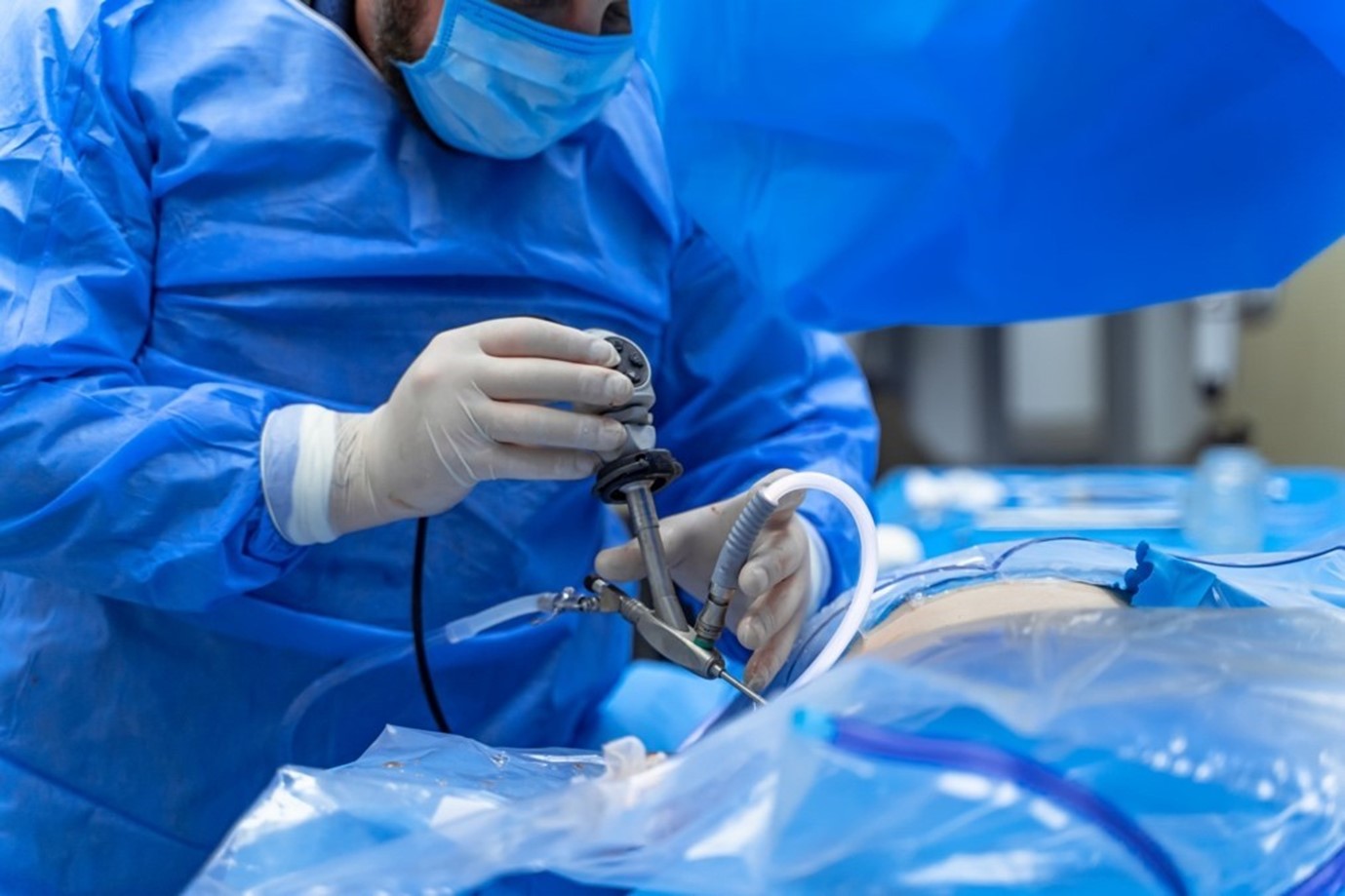
- During a laparoscopic cholecystectomy, the surgeon makes several small incisions in the abdomen.
- A laparoscope (a thin tube with a camera and light) is inserted through one incision, guiding the surgeon, who then removes the gallbladder through another incision using special instruments.
- The precision and control offered by the laparoscope allow for a focused operation, minimizing damage to surrounding tissues.
Recovery
- Recovery from laparoscopic cholecystectomy is generally swift.
- You will be encouraged to walk as soon as you are able after surgery to prevent blood clots and improve healing.
- Most people resume normal activities within a week, although complete recovery might take a bit longer.
- Follow-up appointments are crucial to monitor your healing process and manage any post-operative discomfort.
Laparoscopic cholecystectomy has revolutionized the way we approach gallbladder surgery. With benefits like reduced pain, faster recovery, and minimal scarring, it’s no wonder this procedure has become the standard for gallbladder removal. If you are facing gallbladder surgery, discussing laparoscopic cholecystectomy with your doctor can help you make an informed decision, ensuring you are on the quickest path to recovery and a healthier, pain-free life.