
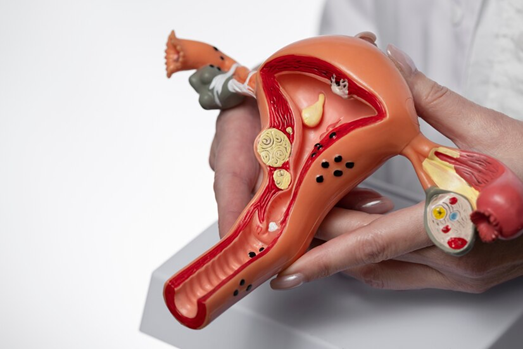
What are Uterine Fibroids?
These are non-cancerous tumors that develop in or on the uterus. Made of muscle tissue, fibroids can vary greatly in size, shape, and location. They may be so small that they are invisible to the naked eye, or they can grow into large masses that distort the size and shape of the uterus. Though fibroids rarely turn into cancer, they can cause discomfort and a variety of symptoms depending on their size and location.
How are Uterine Fibroids Different from Polyps?
Fibroids and polyps may cause similar symptoms, but they are different in nature. Fibroids are made of muscle tissue and grow in or around the uterus, while polyps are smaller growths that arise from the lining of the uterus (endometrium). Polyps can obstruct the fallopian tubes and potentially impact fertility. In rare cases, polyps can become cancerous, which is why removal is often recommended.
What are the Symptoms of Uterine Fibroids?
- Heavy, prolonged, or painful periods
- Pain or pressure in the lower abdomen or back
- Frequent urination
- Pain during sexual intercourse
- Rectal discomfort
Some women may experience no symptoms at all, while others may have severe complications like anemia due to heavy menstrual bleeding.
What Causes Uterine Fibroids?
The exact cause is unknown, but several factors may contribute, including:
Hormones: Estrogen and progesterone, the hormones responsible for regulating the menstrual cycle, also appear to stimulate fibroid growth. Fibroids tend to shrink after menopause when hormone levels decline.
Genetics: There are genetic differences between fibroid cells and normal uterine cells, and fibroids often run in families.
Other Factors: Growth factors, such as insulin-like growth factor, and excess extracellular matrix (ECM), which provides structural support to cells, may contribute to fibroid development.
What are the Risk Factors for Uterine Fibroids?
- Age (common during childbearing years, especially between 30 and 40 years old)
- Family history of fibroids
- Early onset of menstruation
- Obesity
- Poor diet (high in red meat, low in green vegetables and fruits)
- Vitamin D deficiency
How are Uterine Fibroids Diagnosed?
Uterine fibroids are often detected during a routine pelvic exam. If your doctor suspects fibroids, further diagnostic tests may be ordered, including:
- Ultrasound
- MRI
- Hysterosonography
- Hysteroscopy
What are the Treatment Options for Uterine Fibroids?
Treatment depends on the severity of symptoms, the size of the fibroids, and whether a woman wants to preserve fertility:
- Watchful Waiting
- Medications
- Minimally Invasive Procedures (Uterine fibroid embolization (UFE), endometrial ablation)
- Surgery
Can Uterine Fibroids Affect Pregnancy?
Yes, fibroids can impact fertility and pregnancy. They may interfere with implantation, increase the risk of miscarriage, or cause complications like preterm labor. However, many women with fibroids can still have healthy pregnancies.
Can Uterine Fibroids be Prevented?
While there is no definitive way to prevent fibroids, maintaining a healthy lifestyle may reduce your risk. A balanced diet rich in fruits, vegetables, and whole grains, along with regular exercise, may help lower your chances of developing fibroids.
In conclusion, uterine fibroids are common and often manageable. If you experience symptoms or have concerns, consult your doctor for proper diagnosis and personalized treatment options.