Introduction and Anatomy
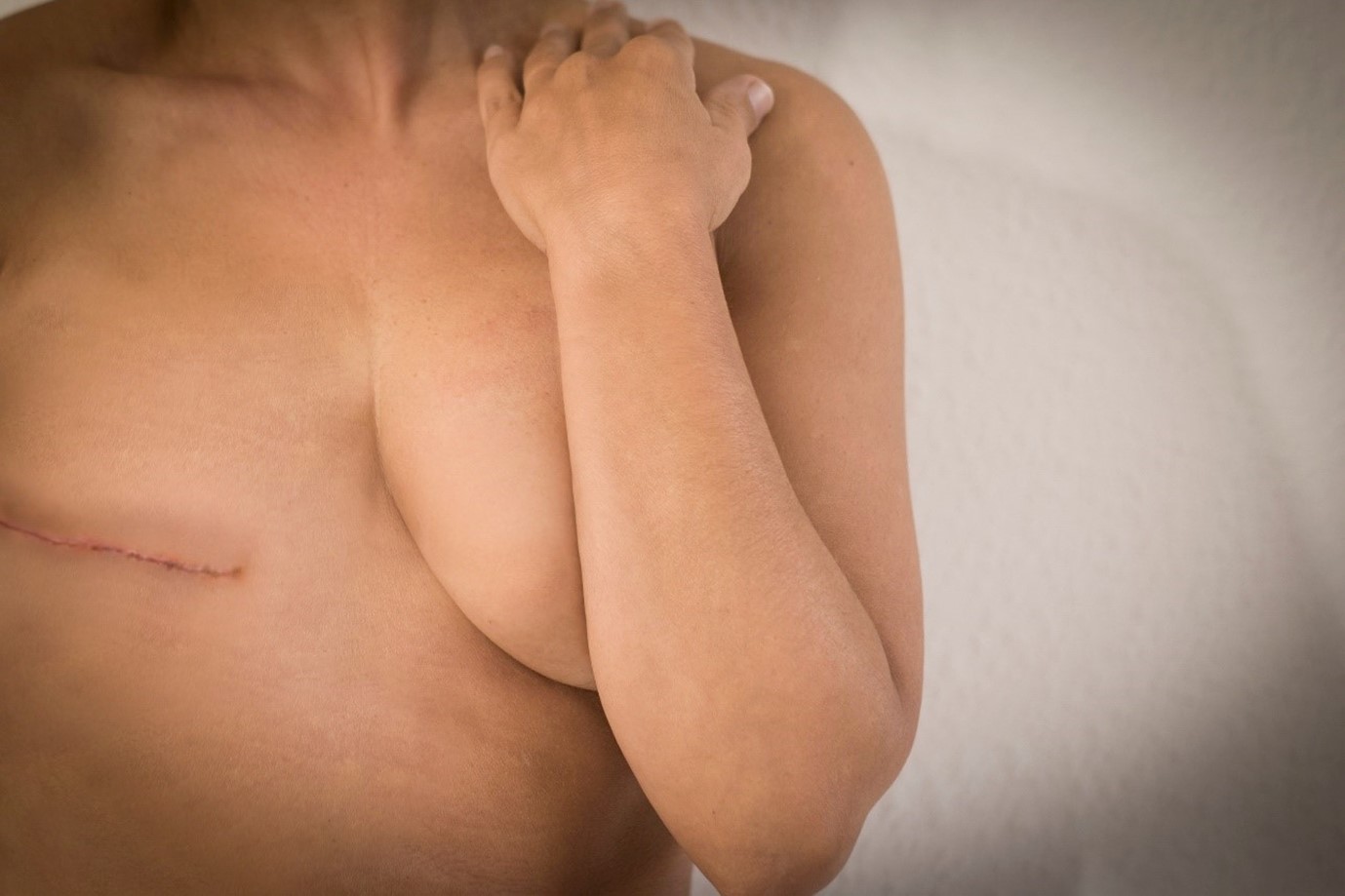
A mastectomy involves the removal of all or part of the breast to treat or prevent breast cancer. The breast, primarily located over the pectoralis major muscle, extends from the second or third rib to the inframammary fold and is crucial for milk production in females. It is divided into four quadrants for medical reference, with most cancers occurring in the upper outer quadrant. The procedure varies from partial to radical, depending on the cancer’s extent and location.
Indications for Mastectomy
Mastectomy is primarily indicated for treating breast malignancies, including invasive and non-invasive cancers. It’s often recommended for large tumours, multifocal disease, or if breast-conserving surgery isn’t feasible. High-risk patients with genetic predispositions (e.g., BRCA mutations) may also opt for prophylactic mastectomies to prevent cancer development.
Contraindications and Equipment
While mastectomy is generally safe, it is contraindicated for patients with distant metastases, significant comorbidities, or when surgical risks outweigh the benefits. The surgery uses standard surgical tools like scalpels and electrocautery devices and may include axillary sentinel lymph node biopsy to check for cancer spread.
Procedure and Personnel
Performed under general anaesthesia, mastectomy requires a skilled surgical team including surgeons, anaesthesiologists, and nursing staff. In cases involving reconstruction, plastic surgeons join the team. Pre-operative preparations include antibiotic prophylaxis to prevent infections, with specific protocols for patients with allergies or resistant bacterial strains.
Postoperative Care
Post-mastectomy care involves monitoring for complications like infections or lymphedema.
Education on post-surgical care is crucial for patient recovery and quality of life improvement.
Enhance your understanding of mastectomy procedures and postoperative care by approaching your doctor.